
I’m sorry that I let our daughters drink the Sprite from the downstairs refrigerator. I was down there getting something for their lunch and saw this Sprite can in the door, its green-blue-silver sheen gleaming among all the water bottles and brown plastic bags stuffed into every shelf. And I thought, “This has been here for a while. I think I’ll give the girls a treat.” So, I took it upstairs and poured it evenly into two glasses, the clear liquid still fizzy coming out of the can.
They had finished lunch and left the kitchen when you came through and saw the empty Sprite can in the recycling bag. But I bet they heard you screaming, “Who took this Sprite can out of the refrigerator? Who drank this Sprite?” Then again, they (and I) were used to their dad (and my husband) bellowing about things that shouldn’t cause that much drama – like adjusting the thermostat or opening the curtains or drinking a Sprite.
I mean, Sprite’s a mass-produced sugar-delivery system. Coke must churn out thousands of Sprite cans each day. How was I to know that this one had some special meaning to you? A special meaning you were never able to articulate — although later you did put the empty can back in its exact spot in the refrigerator.
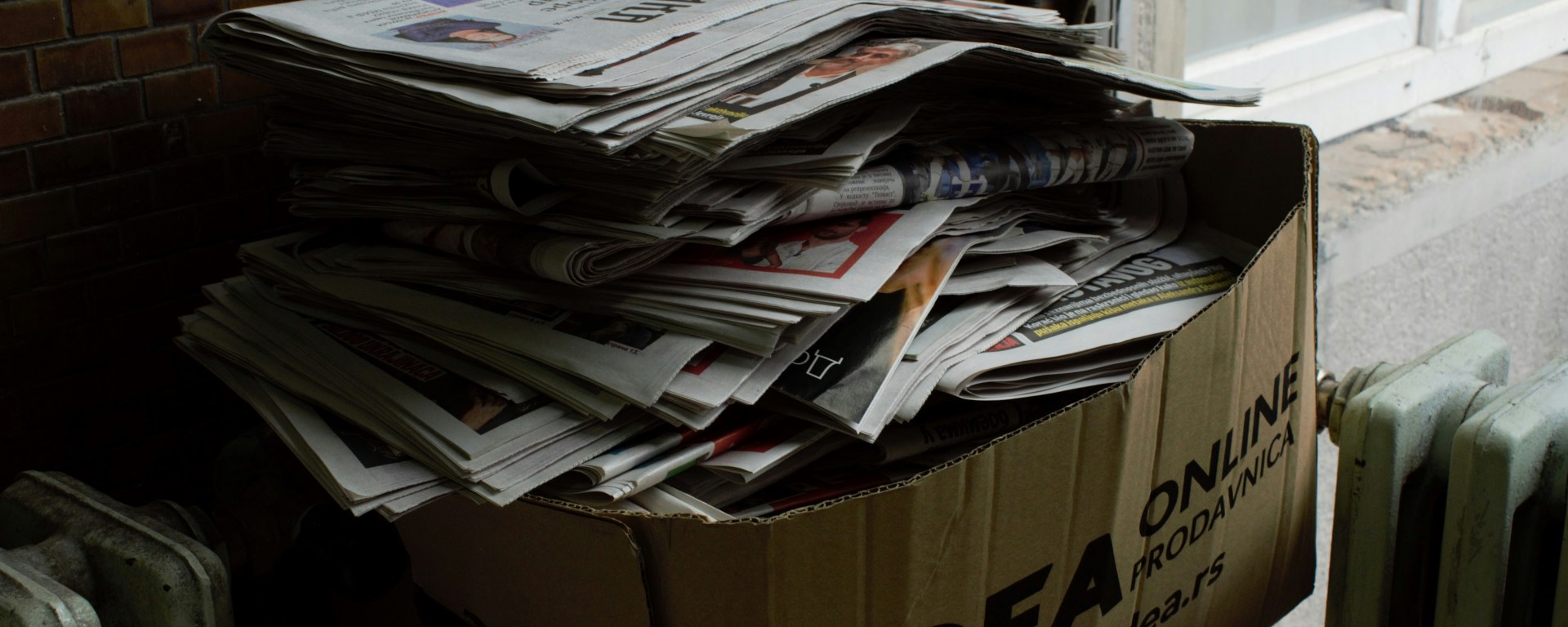
I’m sorry that you felt the need to hang on to this bit of aluminum, just like you felt the need to pile napkins and newspapers in our once beautiful living room until those piles were as high as my waist. I’m sorry that you had to fill the house with empty laundry detergent jugs, dusty VHS tapes of five-year-old baseball games, and cardboard boxes of Playboy magazines until there was no place left for me and our daughters except a sliver of the kitchen counter where we ate and the beds where we slept. On the weekends, when I tried to clear out some of the piles, you brought back all those big black garbage bags and unloaded them, claiming they were things that you needed. So, I stopped trying. The clutter spread like a fungus.
You had always been a little messy, especially with stacks of newspapers, from which you said you were going to clip the important articles someday. Then, after your parents died, you began to save items that reminded you of them and placed them in a sort of shrine in front of the living room fireplace. Newspapers, magazines, posters, pictures, and dozens of red roses from the bush out back that you let sit in shallow cups until they dried up, their brittle black petals littering the coffee table shrine. Each year it got worse until we couldn’t invite anyone to the house because there was nowhere for them to sit. We could barely move around the house ourselves. We fought about the mess all the time. You kept promising to clean it up. I kept threatening to leave if you didn’t. I couldn’t understand how you stayed home all day while I was at work, yet the mess kept getting bigger instead of smaller.
Then I saw a reality show on TV where the homes looked just like ours – every surface covered with papers and clutter growing out from the corners of the rooms until it threatened to engulf the whole house, like kudzu along a Southern roadside. In the show, family and friends intervened to clean up these houses, usually because the person at the center of the mess was about to be evicted or hospitalized or have their kids taken away from them. Instead of being grateful, the people being helped often looked distressed as their clutter was carted away, trying to snatch back what appeared to be useless items, telling anyone who would listen why the trash was something vitally important. A psychologist explained that these people weren’t just messy. They had a mental disorder, a compulsive need to hang on to things and never let go of them, even when they had no actual value. They were “Hoarders,” as the name of the show described them. And it would take intensive therapy — in addition to the professional organizers, clean-up crews, and supportive friends and family — to treat their condition.
So that’s what you were, I suddenly realized. You were a hoarder. And you needed help.
I talked with you about it that very night. For the first time, you told me some very sad stories about the many times that you had to move because of your father’s military career. Once, when you were very young, you came home to find out that your mother had tossed all your toys, including your beloved teddy bear. We both cried, and I began to see you as a damaged child instead of the overbearing bully you had become in recent years. I told you I would gladly support you if you would just get some help. You said you would think about it, and I saw a glimmer of hope for us.
But by the next morning, you were back to your old self, claiming that you didn’t have a problem, that I must be the one with the problem if a little clutter bothered me that much.
I did have a problem. Because of my lack of energy and constant crying jags, I finally sought help and was diagnosed with depression. I went to therapy, took medication, and gradually became aware that my larger problem was my oppressive marriage, to you. Because you weren’t just hoarding things. You were hoarding us — me and my daughters — setting all sorts of rules to keep us trapped inside our cluttered and deeply unhappy home. In your twisted way, I suppose, you thought you were protecting us, but from threats only you could see. The biggest threat to us was your suffocating possessiveness.
You wanted to keep us on a shelf indefinitely, like that can of Sprite. But we weren’t soft drinks. We were people. And we needed to pour ourselves out, to bubble and fizz, far from our refrigerated prison.
The courage and the planning took another few months, but I did manage to leave and to take my daughters with me. You never admitted you were a hoarder, never acknowledged any mental problems of your own, never sought professional help.
The house had to be cleaned out and sold, and a judge issued an order to evict you. I don’t know where you wound up after that. I heard you lived with your sister for a while. Then someone told me you were living in your car and, after that broke down, in a shelter. Every time I see a homeless person, especially one in a dark blue coat like the one you always wore, huddled in a storefront, surrounded by bulging black garbage bags, I wonder if it’s you.
I’m not sorry I left you. Our family was drowning. You were dragging us all under, and I had to break free to save myself and my daughters. I’m sorry I couldn’t also save you. I’m sorry you couldn’t help yourself. And whenever you cross my mind, I wish you well. Because most of all, I’m sorry for you.
About the author:
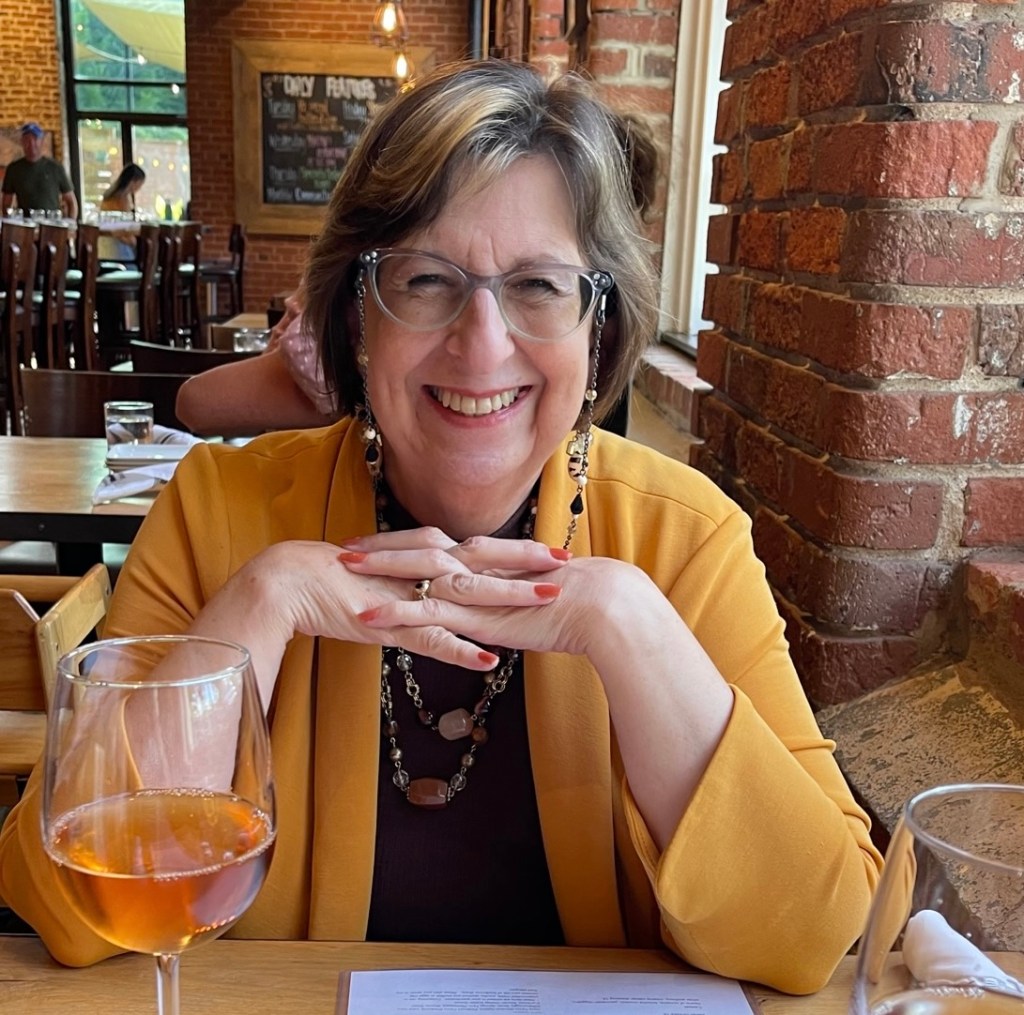
Susan J. Hudson is a former journalist who now does communications for the University of North Carolina at Chapel Hill. Her short fiction has been published in Sky Island Journal, Hoxie Gorge Review, Gramercy Review, The Argyle Literary Magazine, Half and One, and The Write Launch. An excerpt from her historical novel-in-progress has been published by History Through Fiction.
Part of our Winter 2026 Issue. New stories, poems, and essays now through January 31, 2026.
Thank you for supporting our journal. Want to deepen your connection to our community of writers and readers? Please consider joining our email list, making a gift to our journal, submitting your writing, or purchasing our first printed collection, Tangled Lives.
 Tangled Locks Journal 📓 is pis of a yypyyyoe
there’s so much empathy in this piece
loved this moment:
“But we weren’t soft drinks. We were people. And we needed to pour ourselves out, to bubble and fizz, far from our refrigerated prison.”
LikeLike