
If this were the movie, Daisy Barlow would have died young. She would have taught all the curmudgeons to love. She would have died upon completion because Daisy Barlow always dies.
She would have made it to forty-four, which is old for a Daisy Barlow. She would have worn “young lady” eau de toilettes with names like True Love or Miracle. She would have worn pink socks festooned with white cats. She would have spent wedges of each day reminding curmudgeons to rejoice in words like “festoon” and “flotilla.”
She would have stayed two steps behind her boss, the one who called her “consigliere” and only pretended Daisy had no brains. She would have sent him hand-written notes, encouragement that spelunked his crass canyons and made living things grow below sea level.
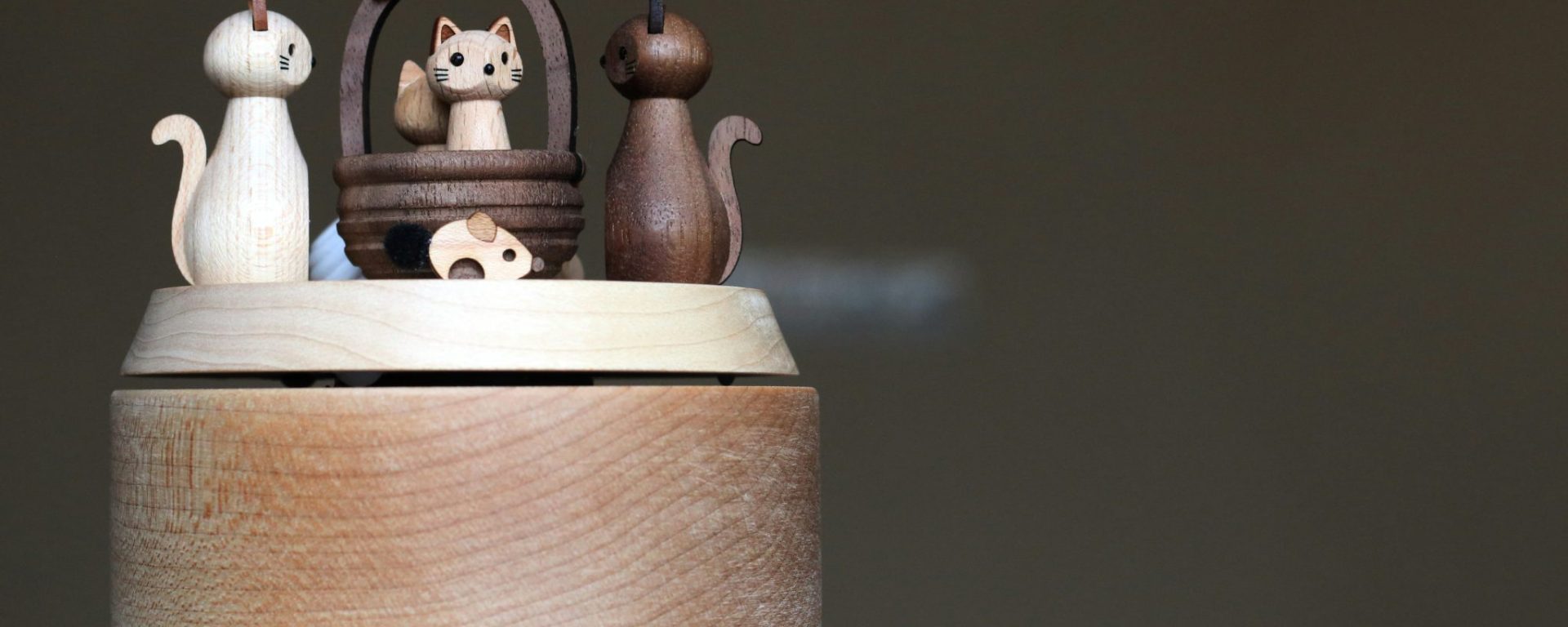
She would have stayed with her husband, a species of husband reliably married by Daisy Barlows. She would have told only Jesus when the man called her a farce. She would have let him donate her music boxes to Goodwill, even the one with the Siamese cats. No one would know.
She would have maintained a spreadsheet of days when souls were born, dispatching birthday cards in time. The acquaintances would bloat to two hundred, four hundred. Women from the college grief group would count on the cards, although they could not remember the face. Daisy Barlow would tell people from three churches ago that they were the light of the world.
She would have subsisted on meringues and late June strawberries, prompting people to write on the internet that “Daisy Barlow is small because she is all burned up with love.” Daisy Barlow is never healthy or fleshed. The curmudgeons and acquaintances could not worry. Daisy Barlow’s vocation would have suffered for incarnation.
She would have noticed changes in handwriting and appetite. She would have sent oatmeal cookies to the secretary who abruptly stopped wearing earrings. She would have asked her husband if she could send more money to Uganda. She would have worn her green velvet dress, the one he could not abide, when he went to the deli.
She would not have eaten those who ran or flew, but she would reassure grandmothers they did not need to use a separate spoon for her marinara. She would tell the car dealership that their congratulatory chocolate chip cookies rode to work.
She would have cried when Frank Sinatra sang “through the years we all will be together, if the fates allow.” Daisy Barlow would end every Facebook post with the words “God loves you and so do I!” Daisy Barlow would raise the dead in direct messages, and nobody would know except people with handles like Uncle Flapjack.
She would raise her Ebenezers, stones reminding her that she was blessed. Daisy Barlow would remember every gingersnap and marmalade cat. She would recite the Lord’s Prayer before and after bed. She would sing her solo the day she was diagnosed, and nobody would know.
Daisy Barlow would write to talk show hosts to thank them for the “sustenance of silliness.” She would go to Walmart on Christmas Eve to distribute handmade seraphs to “you earthy, earnest angels.” She would be infected with alliteration and driven to the drooping. People would remember their worth. Daisy Barlow would vanish like a crescent behind the cloud. She would thank God for the moon and the existence of Paris. Daisy Barlow would never make it to Paris.
The husband would change and change and change the world. The world would know. The world would see Daisy Barlow’s face montaged over a soundtrack of Annie Lennox singing “Why.”
This is not a movie, and Daisy Barlow lived. Daisy remembered that she was a Barlow and a sacrament. She took her name and departed and arrived. She saved Siamese cats and bought new music boxes. She won the house and her own permission to play Earth, Wind, and Fire. She wore green velvet.
Daisy Barlow wrote more cards to curmudgeons and essays about Ebenezers. She asked a man named Big Benny to tattoo a leopard on her hip. The more Daisy wrote, the more Daisy wrote. She sent excessive alliteration to The Paris Review. She slept deeply. She accumulated rejections. She sent virulent exuberance to journals with names like Mongoose Cheese and Dear Old Peanut Butter Cups. She accumulated acceptances. She accumulated music boxes.
She turned forty-five in a crown from her mother. Daisy Barlow wore pink velvet bows of increasing size. Daisy ate cookie dough. She wrote op-eds to the Greentown Gazette on behalf of Uganda. She painted her lips mulberry. She brought her own spoon. She irritated the Board of Directors. She forgot dates. She declined invitations. She accumulated. She kissed a man named Magnus in a bowling alley. She prayed with the coarse deli man who made her vegan coleslaw. She dressed like Audrey Hepburn except when she felt like dressing like Dolly Parton.
Daisy Barlow raised Ebenezers and lacquered them in glitter. She knocked them down when she was afraid or angry. She was angry. She was thunderous. She was Daisy Barlow even if she lived. Curmudgeons find her nauseating daily. Daisy Barlow is not Jesus. This is not a movie, and Daisy Barlow lived.
About the author:
Angela Townsend is the Development Director at Tabby’s Place: a Cat Sanctuary. She graduated from Princeton Seminary and Vassar College. Her work appears or is forthcoming in Arts & Letters, Chautauqua, Paris Lit Up, The Penn Review, The Razor, Still Point Arts Quarterly, and The Westchester Review, among others. She is a Best Spiritual Literature nominee. Angie has lived with Type 1 diabetes for 33 years, laughs with her poet mother every morning, and loves life affectionately. She lives just outside Philadelphia with two shaggy comets disguised as cats. https://belovedmoonchild.wordpress.com/ https://twitter.com/TheWakingTulip https://www.instagram.com/fullyalivebythegrace/

 Tangled Locks Journal 📓 is pis of a yypyyyoe
One thought on “This is Not the Film Version”