

There is a kind of weather that finds

the weakness in things.

That seeps through crevices,

scatters breadcrumbs,

blows past the borders of certainty.


A woman stands before a shallow creek,

her shadow darkening the water.

Late summer trickles by, a narrative stream.

Beyond the creek, the trees are dense and dark,

damp with dew. She smells bacon frying,

and imagines a small house, its walls glittery

like sugar. But this forest is not a metaphor,

she reminds herself. The forest is a forest.

It’s her way home.


In the house, a man stands before an oval mirror,

plucking hairs from his nose. He sees again

what the weather has done: widened and blunted

his once-beautiful face, burying it in layers of flesh,

writing cruel wrinkles across his skin.

In his mind, though, he is still the little boy

who came here with his sister decades ago,

when the house was owned by an old lady

who caged the boy and tried to eat him.


Why didn’t I just leave then? the man wonders.

A question he has asked many times over the years.

He looks at the woods. The house is his now,

he feels safe here: That’s his answer.


The woman sees a shape in the window

of the house she imagines. She thinks of her brother.

Their story came with such a facile ending:

All they had to do was return home,

to the woodcutter’s cottage, and they would be happy.

But in real life, you never forget abandonment,

you never forget how you got here.

In real life, there must be a larger story.


She has led several lives since – wife, mother,

muse, tale-teller. She has known joys and heartaches,

and still returns to this old forest to quiet her soul,

to search for a better ending.


She worries sometimes what the obituaries will say;

how they will characterize her latter years.

Will they linger on the truth – that she and her brother

had a falling out, and hadn’t spoken in decades?


The man does not worry about such things.

He knows the obituaries will tell the tale

everyone knows and leave it at that.

He accepted their differences long ago:

She lives out there, with the weather that finds

the weakness in things; he lives here,

with what it has done.


Once upon a time, they shared their dreams

with each other. He still finds her, occasionally,

as he sleeps. The other week, they were on the bus

again after all these years. They kept passing signs

for “Happily Ever After,” and neither of them

said a word, or looked at the other. But he noticed

the way she kept leaning forward, glancing out

at uninhabited forest. How nervous she seemed.


The driver sped up each time that happened.

They were headed somewhere that night.

He never found out where it was.
About the author:
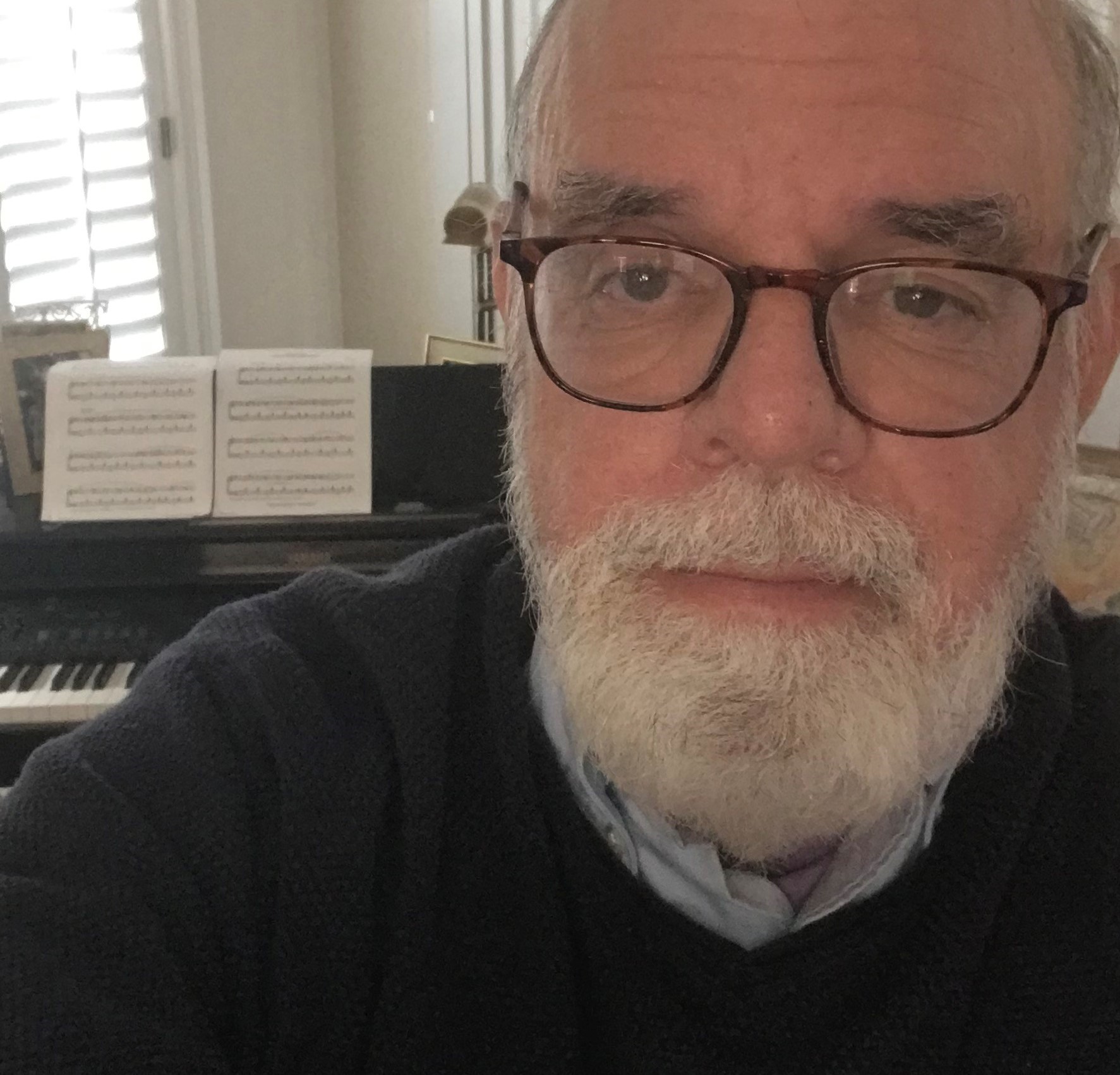
James Lilliefors is a poet, journalist, and novelist, whose writing has appeared in Ploughshares, The Washington Post, Snake Nation Review, Door Is A Jar, Anti-Heroin Chic, CandleLit Magazine, The Miami Herald and elsewhere. He’s a former writing fellow at the University of Virginia.
Photo by Erica Magugliani on Unsplash
 Tangled Locks Journal 📓 is pis of a yypyyyoe