
by Alice Lowe
I get juiced on Mateus and just hang loose. – Elton John
When I was 13, my cousins and I snuck into the wine cellar at a Marin restaurant while our parents lounged over after-dinner coffee and cigarettes. We ran our hands over racks of dusty bottles, pulling them out at random, mispronouncing their names—Chianti, Montepulciano, Sangiovese—as exotic and mysterious as their contents. Carol, two years older than I, smuggled a bottle under her coat and managed to get it home undetected and to find a corkscrew in their Bernal Heights basement rec room. Patty and I, born ten days apart, gasped when the cork snapped mid-extraction, giggled as Carol whittled away at the stump, most of it landing inside the bottle. Bitter sediment and crumbly bits of cork clung to our mouths. Our noses wrinkled in revulsion as we took small requisite sips from the bottle before Carol poured it down the sink and buried the incriminating evidence in the trash.
When I was 14, my periods started. The novelty and excitement of the event were quickly dispelled by painful monthly cramps. When aspirin didn’t help and my mother’s codeine produced nausea and dizziness, she brought out her bottle of Manischewitz Concord Grape, the only liquor in the house, kept exclusively for medicinal purposes and Jewish holidays. The fruity, syrupy wine eased my discomfort and left a warming glow in my stomach. It tasted good too, grape juice with a kick. My mother said she grew suspicious when my cramps became more frequent and intense.
When I was 15, I got wasted on cheap jug wine, probably Red Mountain Burgundy, at a friend’s slumber party. I drank, I puked, and the next day I suffered. I lost my enthusiasm for wine, switching to more potent, cloyingly sweet, rum and coke. I endured more overindulgences, more upchucks, and more hangovers in my teens, though none as memorable as the first.
How it liberates the soul to drink a bottle of good wine daily
and sit in the sun. – Virginia Woolf
On my 21st birthday, my co-workers at a La Jolla brokerage firm took me to the Whaling Bar at the posh La Valencia Hotel for my first legal drink, a Beefeater’s martini with a lemon twist. I had yet to discover champagne, which would become my celebratory beverage of choice. A pseudo-sophisticate in high heels and French twist, I lived above my station and beyond my means as a young adult, striving through trial and error to leave my working-class roots behind and assume a chic sheen of refinement.
In my dating and early married twenties, we ordered bottles of Mateus Rosé in trendy steakhouses. The rounded green bottles, their labels depicting a Portuguese villa, became popular candleholders, replacing raffia-covered Chianti bottles. The next wine craze was Blue Nun, a cheap and sweet German white wine, also in a colored glass bottle, thin and blue, picturing a nun in a blue habit and white wimple.
In my more mature and affluent thirties I became more discriminating and developed a modicum of taste. There was no turning point, no big “aha” moment, but rather an ongoing, gradual and enjoyable, experimentation. I came to prefer crisp dry whites and light fruity reds. I have my favorites, but I’m not confident I would recognize them in a taste test. I might detect the difference between a $5 bottle and a $25 one, but I wouldn’t get five times the pleasure from the latter.
In my forties I participated in my first Beaujolais Nouveau Day. Originated in France and celebrated on the third Thursday of November, it heralds the release of the first wine of the harvest, bottled just weeks after the grapes are picked. Piret’s, a French bistro in my San Diego neighborhood, marked the occasions with casks of the light fruity quaff, and since then, for the past 30 years, I’ve hunted it down every November. Described as having essences of berries, cherries, and flowers, I taste grape juice with a kick, evoking my mother’s Manischewitz.
On my 50th birthday, I sampled my first and only Dom Perignon champagne, accompanied by my first and only Beluga caviar, generously bestowed by a close friend at a brunch she hosted in my honor. It was memorable, a singular experience, but I’m still happy with Zonin prosecco and lumpfish caviar.
About the author:
Alice Lowe writes about life, language, food, and family. Her essays have been widely published, including this past year in Big City Lit, Borrowed Solace, FEED, Drunk Monkeys, Midway, Eat Darling Eat, Eclectica, Fauxmoir, Idle Ink, Superpresent, and Dorothy Parker’s Ashes. Her work has been cited twice in Best American Essays and nominated for Pushcart Prizes and Best of the Net. Alice has authored essays and reviews on Virginia Woolf’s life and work and is a regular contributor at Blogging Woolf. She lives in San Diego, California, and posts at www.aliceloweblogs.wordpress.com.
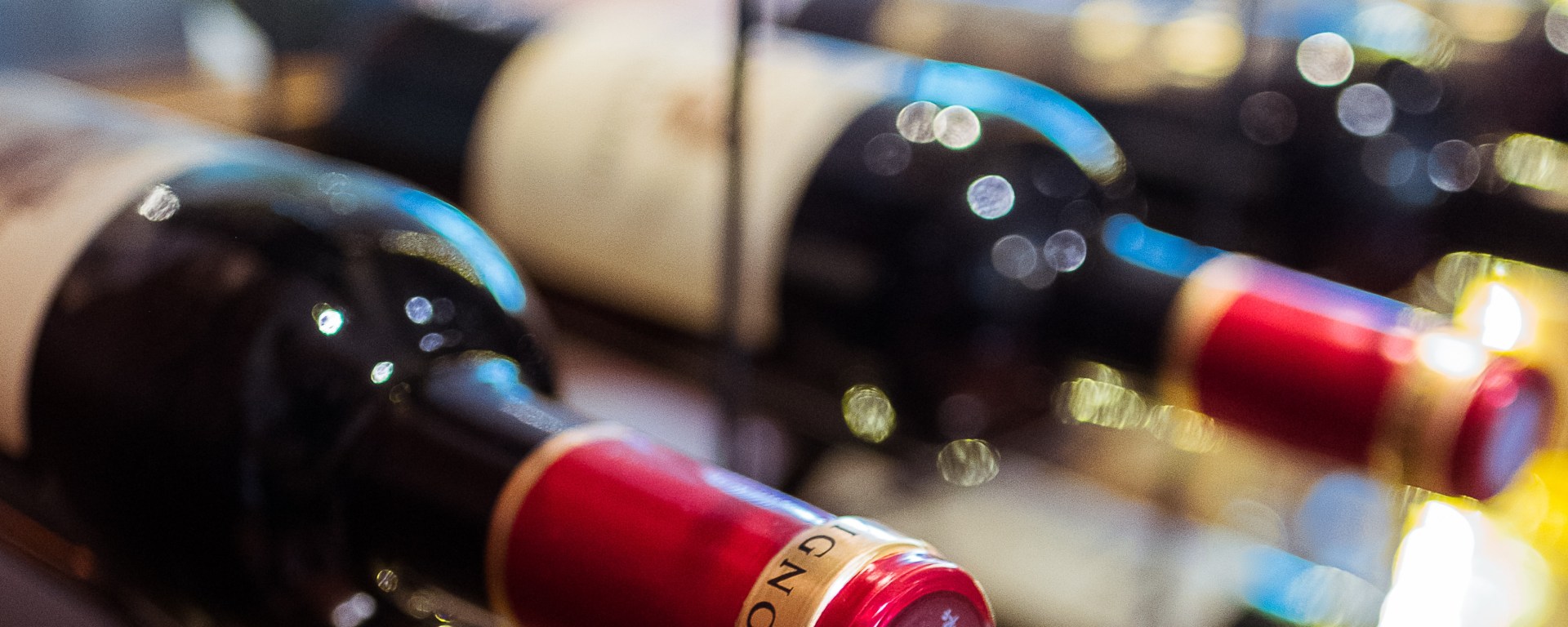
Photo by Getúlio Moraes on Unsplash
 Tangled Locks Journal 📓 is pis of a yypyyyoe
2 thoughts on “Wine”