
On June 24, 2022, the Supreme Court struck down Roe v Wade and five decades of precedent that said women have the right to bodily autonomy and privacy, that women could not be forced or coerced into carrying a pregnancy to term. It is no surprise that the justices appointed by Republicans misled the American people during their confirmation hearings, cagily mincing words but all claiming that they would respect “precedents.” What is surprising is how compromised several of these justices are, accepting exorbitant gifts from far right groups like luxury vacations and sweet real estate deals. The entire movement to eviscerate rights is a corrupt one.
Abortion bans are widely unpopular. The majority of Americans believe access to abortion is important, even those who support some restrictions. When referendums are put forward to the people, abortion rights legislation wins. So, the forced birth crowd is changing the rules to make it harder to pass legislation. And medical professionals know the law is a disaster as well. According to a survey by the Kaiser Family Foundation, the majority of OB-GYNs believe that the bans are a major impediment to helping them address health issues during pregnancy and reduced their ability to provide lifesaving care during pregnancy-related emergencies. Most believe that abortion restrictions will worsen pregnancy-related mortality.
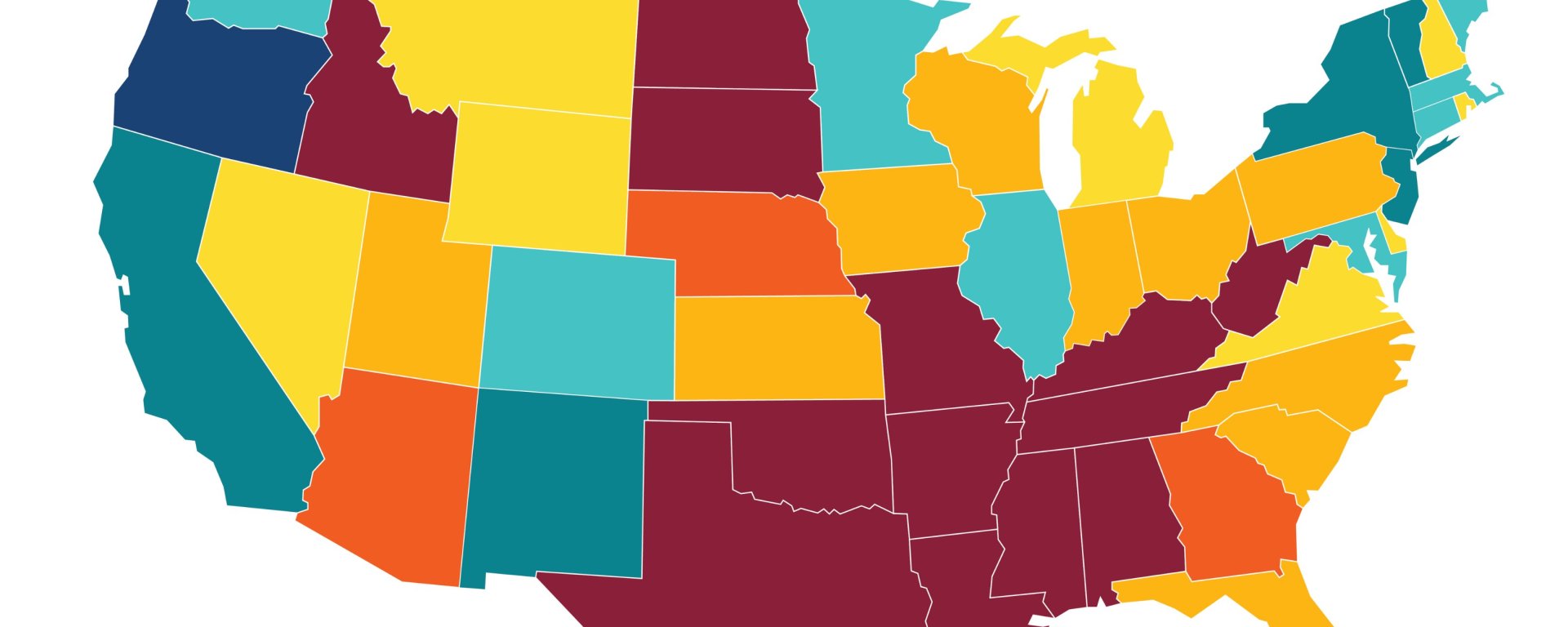
In the year since the Dobb’s ruling, twenty-five states now have restrictions or bans on abortion. Twenty-five million women between the ages of 14 and 44 cannot choose to make healthcare decisions about when to have a child.
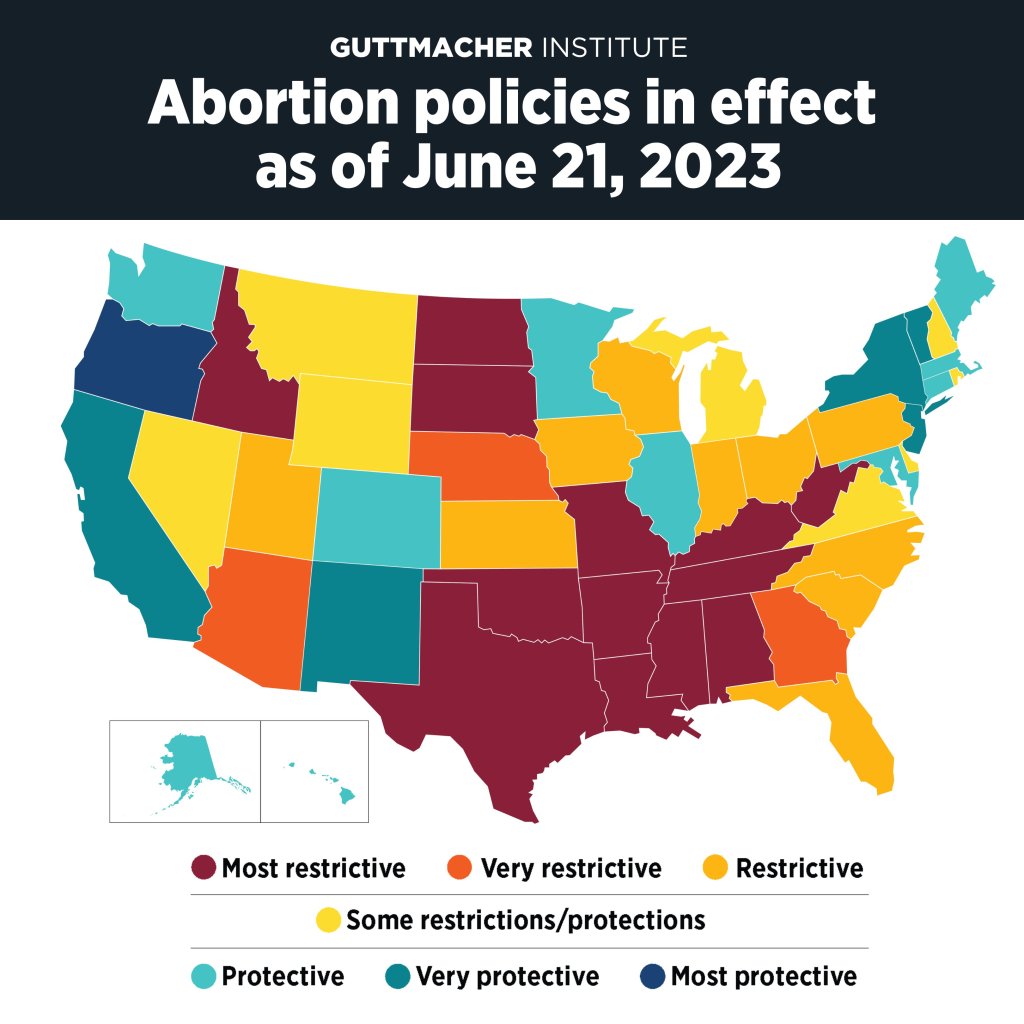
The laws and policies in these twenty-five states have dystopian elements. They encourage and make it lucrative for neighbors, friends, and family members to report on women. They attempt to control the dissemination of information about terminating unplanned pregnancy. They track teens’ menstrual cycles, and attempt to control travel. They fund “crisis pregnancy centers” which are sham propaganda outlets disguised as medical services that bully and lie to women seeking information. They reduce access to contraception. They allow the harassment of patients and physicians.
Making these unpopular authoritarian laws stick requires a concerted effort to undermine the will of the people. This includes changing laws to make it more difficult for voters to weigh in.
The anti-abortion movement minimizes the impact of not having control over one’s reproduction as just a minor inconvenience, a short-term sacrifice. The reality is that women who are forced to carry a fetus to term against their will often suffer long-term financial hardship, have medical complications, and are more likely to experience domestic violence. Forced birth launches them on a trajectory that has lasting consequences.
Another tactic is to slur and demean women and shame them into silence. Over and over again, far-right activists lie about who gets abortions and why. Harlots or victims. They use terms like evil, selfish, promiscuous, or alternately, weak, victimized, and forever damaged. This is propaganda. One way to counter the lies is to share real-life abortion stories. These essays bring empathy and understanding to the issue of reproductive rights. When we push past the slogans and memes and get to the heart of people’s stories, we take back the narrative about reproductive rights. For a long time, I was a silent supporter of reproductive rights. I donated. I voted. But I didn’t tell my story because of what other people might think. I worried about the social and financial impacts of people judging my choice.
Not only was society changed by the Dobb’s decision; I was changed too. Last year, I shared my own story and made a decision to feature abortion essays in Tangled Locks Journal so that other writers could share their stories.
This brings us back to the fundamental question. Who gets abortions? Nearly one in four women have had abortions. Loving parents who cannot afford another child. People whose fetuses are not viable. People who are not ready to start families (but maybe will be someday). People who were abused or raped. People who have serious medical issues. People whose contraception failed.
People who have looked inside and made a private personal decision.
But wait, don’t we get to look inside and see if their reason is good enough? Absolutely not. As my teen son used to say, “It’s none-ya” unless someone freely wants to tell their story.
In our Dobb’s Special Issue, we have nine writers who want to tell their stories. These writers have decided that they want to share their voices for the many that are silenced.
Each story is unique. There is no dogma. No orthodoxy. Each person’s emotions vary. Some are relieved. Some experience regrets. But the message is clear: the propaganda about who has abortions and why they have them is wrong.
We are your friends, coworkers, neighbors, partners, mothers, daughters, and sisters.
- We are not immoral.
- We do not hate children or motherhood.
- We are not selfish.
- We are not broken.
Teresa Berkowitz
Editor-in-Chief
Supporting Reproductive Rights
This is a critical time in our fight to preserve access to abortion and reproductive healthcare. We believe that every action counts. Here are three things you can do.
- Fight stigmatization by sharing your story and/or supporting people who have shared their stories. Supportive comments and likes make a big difference to the people who have chosen to share their personal experiences.
- Stay Informed. Consider subscribing to Abortion Every Day, by Jessica Valenti.
- Reach out to your representatives on the federal, state, and local levels and tell them that you want them to pass legislation that protects reproductive rights including abortion access. Guttmacher Institute has a list of state-level policies that you can advocate for.
- Donate to organizations committed to protecting access to safe and legal abortions. Marie Claire has a great list of pro-choice organizations. And please check out SisterSong, an organization that champions reproductive justice.
Image Credit: Infographic from Guttmacher Institute, guttmacher.org
 Tangled Locks Journal 📓 is pis of a yypyyyoe